


Contents
- Differences Between Adult and Teen Alcohol Abuse
- “Hangxiety” and Liquid Courage: How Alcohol Can Affect Your Self-Esteem and Mental Health
- How can alcohol affect your mood?
- How to Help Someone With Drug Addiction and Support Their Recovery
- Bright Health Insurance Coverage for Drug and Alcohol Rehab
- Alcohol Dependence and Depression
There are also those who abuse drugs and alcohol together. These people may not be able to function without both substances. Talking to your patients about these additional negative side effects could help them to better understand the consequences of their actions – even after alcohol rehabs. Due to these chemical differences in the brain, you could feel worse the next day. But you could be too tired to use helpful coping skills.
What foods cure hangovers?
- Toast. Carbs are an essential hangover cure, and toast is an easy source that can be found in most office kitchens.
- Coffee. If you love your coffee, drink up.
- Bacon and eggs.
- Pizza.
- Fresh fruit.
- Juice.
- Cakes, chocolate and munchies.
- Coconut water.
What sets acasual social drinkerapart from someone with a dependency on alcohol? Doctors and researchers tend to break drinkers down into categories based on their motivation. Chances are you’ll realise that the cons definitely outweigh the pros. This is important because if you’re motivated and understand the benefits of curbing your drinking habits, you’ll probably be more motivated to stick with it.
Differences Between Adult and Teen Alcohol Abuse
Alcohol affects your brain, making you feel relaxed in a small amount of time. As you drink more, you become intoxicated and unsteady, and you might do or say things you normally won’t. This information is for informational purposes only and is not meant to be a substitute for professional medical advice, diagnosis or treatment.
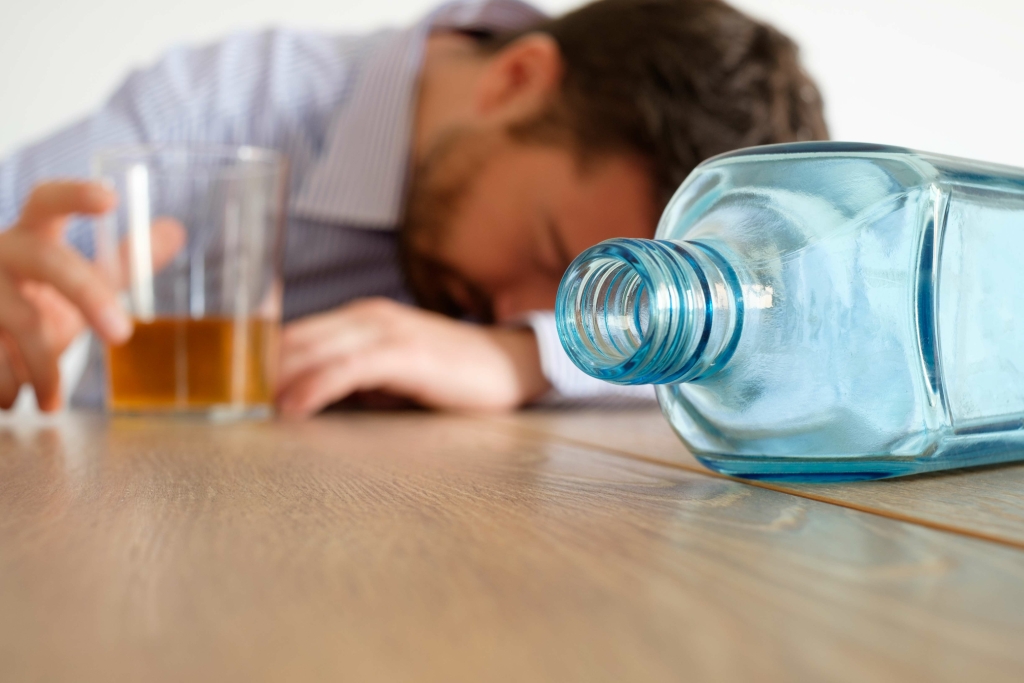
Using alcohol to cope, and the resulting importance of motivation in addiction recovery, creates its own set of problems. Another social influence process that plays an important role in problematic drinking is self-esteem. It is suggested that both low and high self-esteem might lead to aggression.
“Hangxiety” and Liquid Courage: How Alcohol Can Affect Your Self-Esteem and Mental Health
If you feel you’re drinking more than you’d like or your alcohol use is making your depression symptoms worse, there are some things you can do. If you have depression and anxiety and want to drink alcohol, there are some considerations. Generally, you should limit your intake to 14 units of alcohol in a week — this is equal to six standard glasses of wine or six pints of lager. Be sure to spread those drinks out evenly over the week and have drink-free days in between. Drinking more restarts the effects of alcohol in the body and the brain.
- His denial of his alcoholism waned with persistent gentle confrontation by his counselors, and he began attending the hospital’s 12–step program.
- For example, how much an individual drinks and the frequency in which they drink will play a part in the mental effects they experience.
- It can lead to miscarriage, stillbirth, or premature delivery.
- CIP is a tertiary center, which receives mostly moderate to severe cases of alcohol dependence.
- The exclusion criteria were past neurological illness and presence of significant head injury, and presence of co-morbid/induced psychosis or any other psychiatric disorder.
- That’s one major reason why you should never drive after drinking.
Others may abuse alcohol because they feel depressed or anxious. There are also those who abuse alcohol for medical reasons. They may need to take certain medications while drinking. Or they may want to avoid taking their medication due to side effects.
How can alcohol affect your mood?
If your body can’t manage and balance your blood sugar levels, you may experience greater complications and side effects related to diabetes. Alcohol-related liver disease is a potentially life threatening condition that leads to toxins and waste buildup in your body. Here’s a breakdown of alcohol’s effects on your internal organs and body processes. Some of these effects, like a relaxed mood or lowered inhibitions, might show up quickly after just one drink. Others, like loss of consciousness or slurred speech, may develop after a few drinks.

These findings support the literature available as well suggests that the relationship between self-esteem and alcohol dependence severity is indeed unsettled. Alcohol-dependent patients are traditionally believed to have insecure attachment styles, higher anger expression, and lower self-esteem. Recognizing that this was an emergency situation and that alcoholics have an increased rate of suicide , the emergency room clinician admitted the patient to the acute psychiatric ward for an evaluation. The clinician also obtained the patient’s permission to speak with his wife. Despite the patient’s denial of alcoholism, this interview with a collateral informant corroborated the clinician’s suspicion that the man had long–standing problems with alcohol that dated back to his mid–20s.
How to Help Someone With Drug Addiction and Support Their Recovery
There are various reasons but a larger number of people who are seen with depression have a co-occurring alcohol abuse problem than with any other mental illness. These two things end up creating a never-ending circle of problems for the individual. You may have taken that first drink to alleviate the emotional distress of depression. At first, it helps, but the more you drink, the more depressed your mood can become because of the depressant nature of the alcohol. As you drink more and alcohol use becomes a problem, you may find your relationships deteriorating. This creates more depression, which leads you to drink still more.
People with alcohol use disorders, however, drink to excess, endangering both themselves and others. This question-and-answer fact sheet explains alcohol problems and how psychologists can help people recover. Each person is impacted in a different manner by alcohol consumption. For example, how much an individual drinks and the frequency in which they drink will play a part in the mental effects they experience. Unfortunately, the longer a person abuses alcohol, the more severe their side effects will become.
Bright Health Insurance Coverage for Drug and Alcohol Rehab
Alcohol changes the way your brain cells signal to each other, which can make you feel relaxed. People with depression and anxiety might use alcohol to help ease symptoms, but excessive alcohol use can also worsen your mental health. Spouses and children of heavy drinkers may face family violence; children may suffer physical and sexual abuse and neglect and develop psychological problems. Women who drink during pregnancy run a serious risk of damaging their fetuses. Relatives, friends and strangers can be injured or killed in alcohol-related accidents and assaults.
How does alcohol affect you emotionally?
Alcohol affects the part of your brain that controls inhibition, so you may feel relaxed, less anxious, and more confident after a drink. But these effects quickly wear off. The chemical changes in your brain can soon lead to more negative feelings, such as anger, depression or anxiety, regardless of your mood.
Often, abuse happens after a person begins to depend on the drug. Many people end up using alcohol as a way to escape from the pain of other find a halfway house – forexdata issues, like stress, anxiety, trauma, or depression. Others may depend on alcohol as a way to feel more comfortable in a social setting.
In your session, you’ll get to the root of these difficult problems and overcome them, improve your self-control, identify your triggers and identify coping strategies to help you control your urges. If you need extra support with this therapy technique, you might find it helpful to listen to the ‘Urge Surfing’ and ‘Distraction’ episodes here’s how caffeine, sugar, and alcohol impact your arthritis of Self-care, our new audio and video therapy library. Pattnayak B, Panda M, Mohanty S. Impact of family structure and gender bias on stress and coping styles. To understand the relationships amongst various of the socio-emotional factors. Americanaddictioncenters.org needs to review the security of your connection before proceeding.
Alcohol use can begin to take a toll on anyone’s physical and mental well-being over time. These effects may be more serious and more noticeable if you drink regularly and tend to have more than 1 or 2 drinks when you do. If you drink, you’ve probably had some experience with alcohol’s effects, from the warm buzz that kicks in quickly to the not-so-pleasant wine headache, or the hangover that shows up the next morning. Since those effects don’t last long, you might not worry much about them, especially if you don’t drink often. Light to moderate drinkers are those who find they need to drink to enjoy a party or other social obligation.
Does alcohol show your true self?
While under the influence you'll probably act differently, but that doesn't mean drinking reveals who you really are. Alcohol lowers inhibitions, leading you to act more impulsively and care less about how others adversely regard your behavior.
We might be more prone to arguments, struggle with our workload or feel like we’re burning the candle at both ends, which can lead to low self-esteem and depression. Depression — Alcohol is a depressant that causes decreased activity in the central nervous system . As a result, alcohol abuse causes or worsens feelings of depression.
The sooner an individual receives treatment, the less likely there will be lasting negative effects. Look for a treatment program that is prepared to address both the physical and psychological needs of each patient. Here at RCA Westminster, we understand that recovery is more than abstinence—we believe in restoring the health of the whole person to enable lasting and sustainable recovery.