


Initially, you may need to adjust the petty cash fund amount you’ve selected as a cap; over time, you’ll figure out the best level to set it at. One of the conveniences of the petty cash fund is that payments from the fund require no journal entries at the time of payment. Thus, using a petty cash fund avoids the need for making many entries for small amounts. Only when the fund is reimbursed, or when the end of the accounting period arrives, does the firm make an entry in the journal.

Most enterprises handle their business expenses through petty cash funds. Read this article to discover what petty cash is, its different procedures, and how to manage it. The custodian should prepare a voucher for each disbursement and staple any source documents (invoices, receipts, etc.) for expenditures to the petty cash voucher. At all times, the employee responsible for petty cash is accountable for having cash and petty cash vouchers equal to the total amount of the fund. After the check is cashed, the petty cash custodian normally places the money in a small box that can be locked. We will not use the petty cash in a journal entry again unless we are changing this original amount.
Keep Track of Petty Cash Transactions
These errors cause the cash in the fund to be more or less than the amount of the fund less the total vouchers. When the fund is replenished, the credit to Cash is for the difference between the established amount and the actual cash in the fund. Any discrepancy should be debited or credited to an account bookkeeping business names called Cash Over and Short. The Cash Over and Short account can be either an expense (short) or a revenue (over), depending on whether it has a debit or credit balance. A petty cashier might be assigned to issue the check to fund the petty cash drawer and make the appropriate accounting entries.
Iowa’s tax breaks lead to cash crunch for local governments – Axios
Iowa’s tax breaks lead to cash crunch for local governments.
Posted: Mon, 26 Jun 2023 11:22:49 GMT [source]
There are some financial terms in the world of business that might throw managers off a little. We have put together a detailed guide, providing the definition of this important term and what exactly it’s used for. Your postage machine just stopped working, and you need to send one of your employees to the post office fast to get some stamps. The only problem is she has no cash and her credit card is maxed out. After a designated interval—usually, the same time each month or week—it’s time to reconcile or balance the petty fund account.
Establishing the Petty Cash System
The more documented petty cash expenses, the more your deductions, and the lower your business tax bill. Keep as much cash as you need in your cash drawer, but not too much, so it isn’t a temptation for employees or robbers. To determine a maximum amount for petty cash, keep records on expenditures over a period of time, using an average amount for each week, for example. In the petty cash policy document, we should state that the petty cash fund is $500 with Heather Smith as the custodian. She should also sign the document to transfer the petty cash fund accountability to her.
Crime Report: June 28, 2023 – Official Website of Arlington County … – Advisory Groups & Commissions
Crime Report: June 28, 2023 – Official Website of Arlington County ….
Posted: Wed, 28 Jun 2023 17:08:27 GMT [source]
However, the petty cash custodian may perform weekly or daily reconciliation to keep track of the fund balance. Using a cash count sheet can be used to document the cash count, but it’s optional. The bottom portion of the petty cash log won’t be completed until the cash in the lockbox needs to be replenished. There’s no need to make journal entries when expenses are reimbursed from cash in the lockbox. The petty cash custodian is the person accountable for the petty cash fund.
What Is Petty Cash?
A separate accounting system is used to track petty cash transactions. You must create journal entries that monitor and record all petty cash transactions, just like any other transaction. These transactions should be present on your financial statements and recorded in a manner that oversees the replenishment of your funds. While the actual funding should be recorded, the individual purchases do not need to be officially recorded. Note that the entry to record replenishing the fund does not credit the Petty Cash account. In this case, the cash needed to get back to $100 ($100 fund – $7.40 petty cash on hand) of $92.60 equals the total of the petty cash vouchers.
- If you need to replenish the funds every few days, it probably means your fund is too small.
- To reconcile, you’ll need to match your receipts with the amounts recorded on the petty cash form.
- With a petty cash fund in place, you can pay for small expenses like postage stamps, office supplies, office food and drinks, fuel expenses, parking tickets, and other unpredictable expenses.
- To set up a petty cash system, the initial amount of money comes from the business checking account.
- If you have an office manager, they’re the most likely choice to manage the petty cash fund.
While these are main steps that small business owners take to utilize petty cash, there are other processes that should be considered to get the most out of it in the long run. There are a number of ways that businesses can benefit (and suffer) from having petty cash at their disposal. Anyone who has ever run a small business knows that petty cash always plays an important role.
Use QuickBooks For Your Petty Cash
So you ask an employee who doesn’t normally make business purchases to pick up the refreshments. That employee could be reimbursed later using petty cash, or you could give them money from petty cash and have them bring you the change and receipt. The petty cash balance is present on the company balance sheet with cash in the bank and cash on hand. For this reason, your custodian will fill out a receipt when disbursing money to ensure that the total money will add up to the initial amount of your petty cash fund.
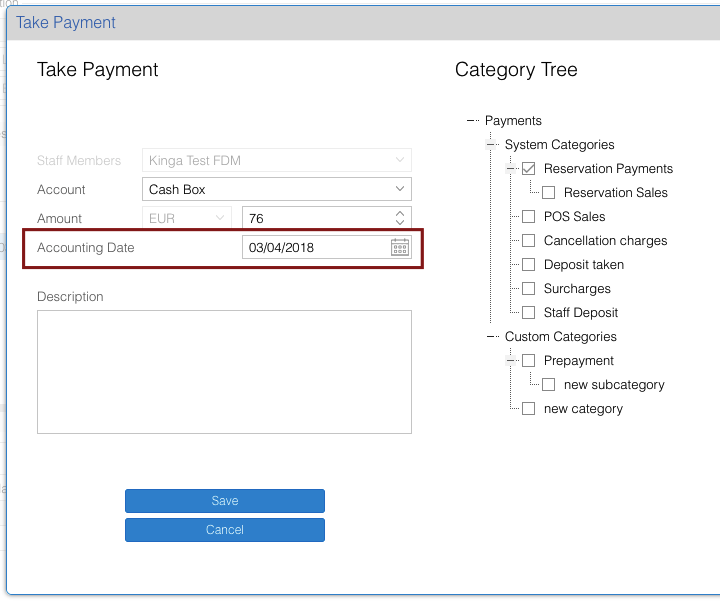
Establishing a petty cash fund allows a business owner to maintain control and account for the expenditures with minimal cost and administrative hassle. If you follow a few steps, it is possible to set up and manage a petty cash account with ease. To set up a petty cash fund, the cashier creates a check in the amount of the funding assigned to a particular petty cash fund (usually a few hundred dollars). Alternatively, the cashier could simply count out the cash for the petty cash fund, if there are enough bills and coins on the premises. The initial petty cash journal entry is a debit to the petty cash account and a credit to the cash account. Sometimes, the balance in your petty cash fund becomes too low to purchase small expenses.
Making sure that any expense you reimburse has a receipt is also helpful. For example, for Jane to get reimbursed for the donuts she purchased for the meeting, she needs to provide a receipt. The receipt will be used later as back up for recording the petty cash transaction as an expense in your general ledger. Before you start a petty cash fund, you’ll need to decide how much you want the fund to be. Between $100 and $200 is fairly common, though you can go lower or higher, depending on your business. On the downside, the convenience of petty cash can also make it a problem, and a risk.
To combat this, make sure your employees understand upfront what petty cash can and can’t be spent on. Petty cash funds should be reconciled at regular intervals to double-check that everything is balanced and accurate. This can be looked at as an internal audit of a company’s petty cash. When a business elects to eliminate its petty cash in favor of other forms of reimbursement, it is no longer listed anywhere on the balance sheet. For example, you don’t want to use petty cash for high priced expenses, so it can help to set a dollar limit, such as $25.00. Anything over that amount would be paid for or reimbursed using other means.